FEELINGS
People feel more powerful
A 2015 Zurich study of 200 people again found that power poses raised self-reported feelings of power, as in the original.
Check a claim
 doodleposer
WHAT THE REPLICATIONS SAY
FELT POWER yes; hormones, no
In 2010, a small study made a big claim about posture.
It reported that holding two expansive poses for one minute each raised testosterone, lowered cortisol and made people more willing to take risks. Bigger studies since then tell a narrower story: people say they feel more powerful, and not much else holds up.
Updated
Check a claimTHE SHORT ANSWER
Psychologists retested the 2010 claims many times.
The results split by what was measured.
FEELINGS
A 2015 Zurich study of 200 people again found that power poses raised self-reported feelings of power, as in the original.
Check a claimHORMONES
The same study found no effect on testosterone, cortisol or risk-taking. A 2017 set of pre-registered studies pointed to virtually zero effect.
See the numbersSLUMPING
A 2020 review found effects were driven more by avoiding a hunched, closed posture than by striking an expansive one.
Read the twistA QUICK CLAIM CHECK
Pick an outcome from the original 2010 study or a later question. The bar shows how strongly the later, larger evidence supports it.
Based on the British Psychological Society's 2021 review in The Psychologist and the University of Zurich's 2015 replication. General information, not medical or psychological advice.
TWO NUMBERS WORTH KNOWING
One figure from the first large replication,
one from the broadest review so far.
200 people
People in the first large retest, against 42 in the 2010 study
102 men and 98 women. Felt power rose again, but hormones and risk-taking did not change.
REPLICATION · ZURICH 2015
73 studies
Randomised studies of expansive and contractive postures identified
With 7,038 participants. Expansive poses did not differ significantly from neutral; contractive poses did.
META-ANALYSIS · 2020
Sources: University of Zurich press release (2015); The Psychologist (BPS, 2021), summarising Elkjær and colleagues (2020).
WHAT THE SAGA SHOWS

Power posing became a textbook case of the replication crisis. The lessons apply to any headline about a quick psychological fix.
The 2010 study had 42 participants; the first big retest had 200. Larger samples make chance results less likely, as the Zurich team pointed out.
Saying you feel more powerful is not the same as changed hormones or behaviour. The evidence split exactly along that line.
Many studies only compared open with hunched poses. Without a neutral posture, you cannot tell which one caused the difference.
THE TWIST
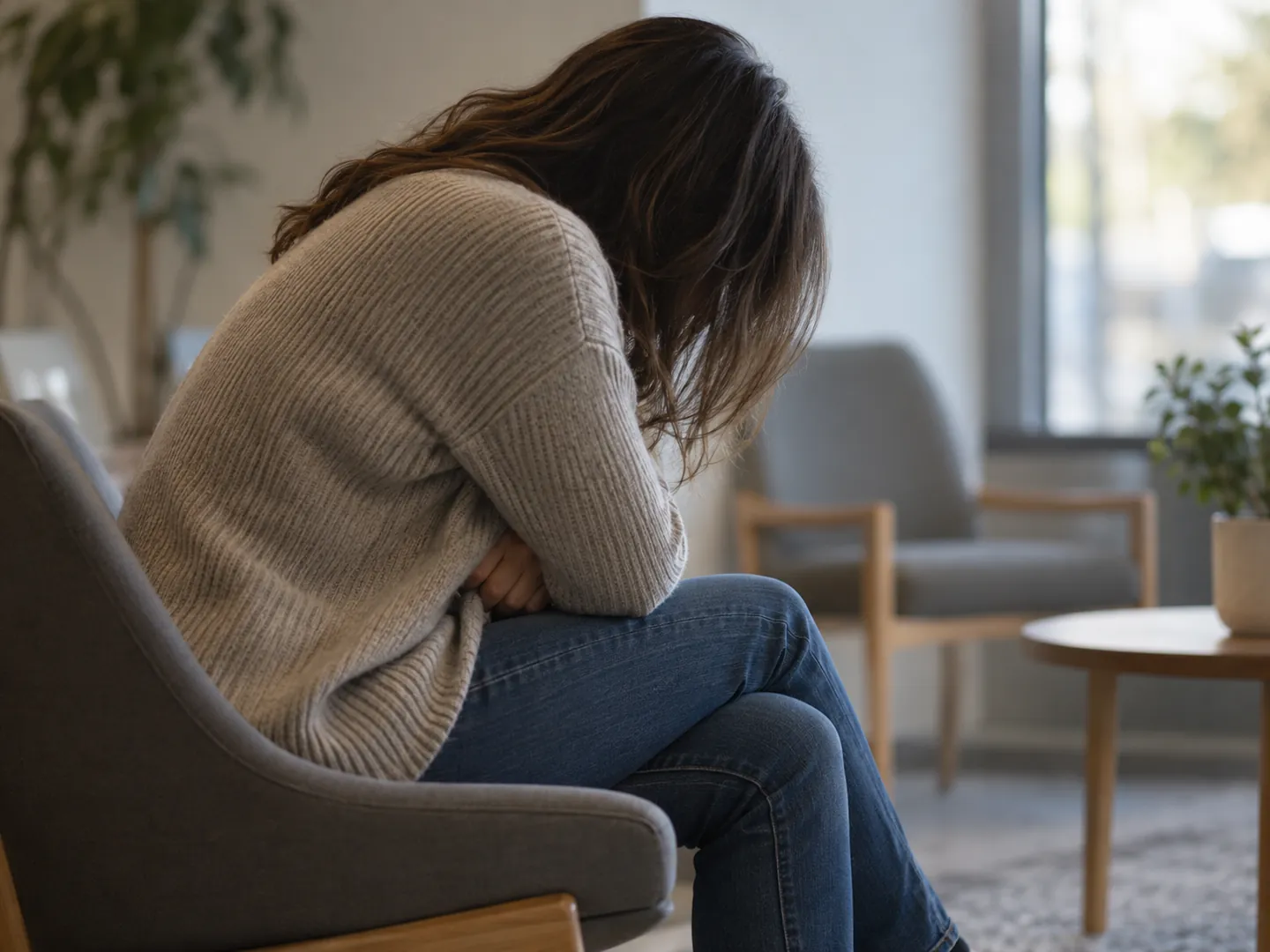
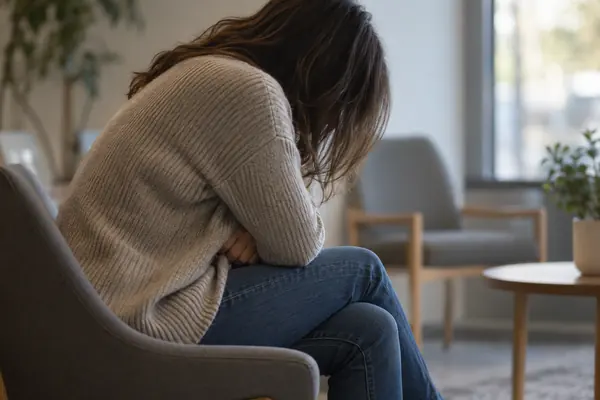
In 2019 a researcher noted that most power posing studies had no neutral pose to compare against. In the four that did, the effects came mostly from the hunched, closed posture making things worse.
A 2020 systematic review of 73 studies reached a similar view: effects were driven more by the absence of contractive postures than by the presence of expansive ones. The authors called this preliminary and asked for more studies with neutral controls.
Questions
An open, expansive posture, such as leaning back with arms behind the head. The 2010 study contrasted these with closed, contractive poses such as sitting tensely with hands clasped in the lap.
The original 2010 study reported that, but a 2015 replication with 200 people found no effect on testosterone or cortisol, and a 2017 set of pre-registered studies found virtually zero effect on hormones.
Studies keep finding that people report feeling more powerful afterwards. Whether that changes how they act is not supported by the larger studies so far.
A 2020 meta-analysis found preliminary evidence that contractive, hunched postures affect feelings and behaviour compared with neutral ones. Its authors asked for more research before firm conclusions.
One of the three original authors said in 2016 that she did not believe power pose effects are real. Another argued in 2018 that the evidence for effects on feelings remains strong.
Sources
ABOUT THIS NAME
doodleposer.com is part of the DoodleSale portfolio. It isn't in an auction right now, but you can ask about leasing it.